
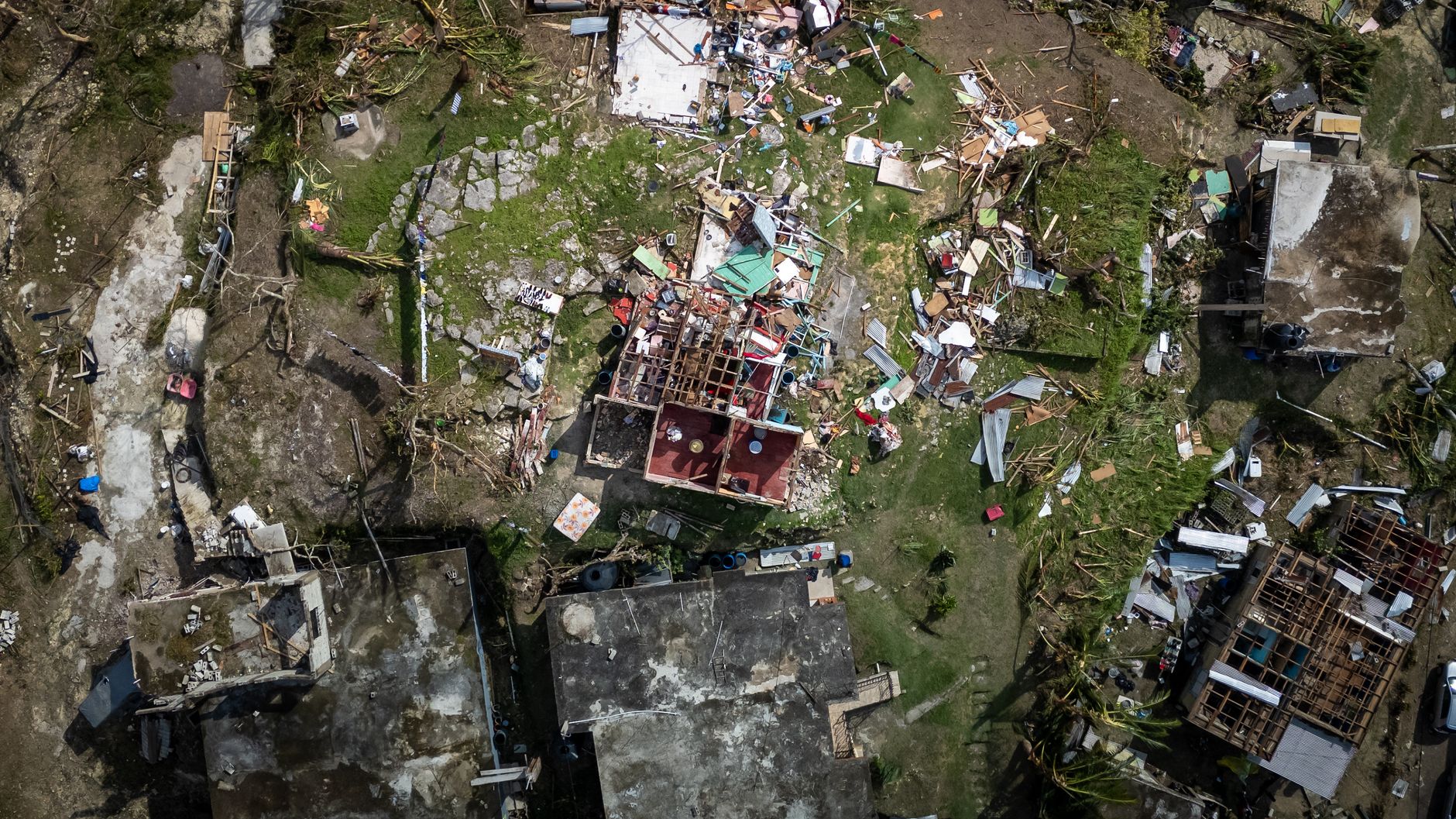
After a Nashville storm, a quick visual check can help you catch problems before water reaches ceilings, walls, or belongings. Start from the ground, not a ladder: wet shingles, loose branches, and hidden electrical hazards can make climbing unsafe. Look around your home and inside the rooms below the roof for signs that something may have shifted or leaked. You do not need to diagnose the damage yourself. Your goal is to notice, document, and decide whether to call a roofing professional.
Check the roof from the ground
Walk around the property only when conditions are safe. Look for shingles that appear missing, lifted, cracked, or out of line, as well as exposed areas of roof deck. Check roof edges, valleys, and the ridge from several angles. Binoculars or a phone camera with zoom can help you see details without climbing. Avoid standing beneath sagging branches or near downed power lines.
Look for storm debris on the roof and around the yard, including branches, shingle pieces, or metal flashing. Check gutters and downspouts for visible dents, separation, or material that may have washed out. A few granules in a gutter can occur with normal wear, so do not treat that sign alone as proof of storm damage. Note anything new or unusual compared with how the roof looked before.
Inspect inside for leaks
Check the attic only if you can enter safely and avoid stepping between ceiling joists. Use a flashlight to look for damp insulation, water marks on the underside of the roof, dripping, or daylight where the roof should be closed. Do not touch wet wiring, electrical fixtures, or a ceiling that is bulging. If water is near electrical equipment, keep clear and contact a qualified professional.
Look at ceilings and upper walls for fresh stains, peeling paint, bubbling, or damp spots. A leak may show up inside some time after rain starts, so check again later and after the next rainfall. Move belongings away from wet areas if it is safe, and place a container beneath a drip without putting yourself under a sagging ceiling. Take photos before cleaning or moving damaged items.
Document what you find
Photograph visible damage from a safe distance and include both close views and wider shots that show where each issue is on the home. Record the date you noticed it and whether you saw active leaking. Keep photos of indoor stains, fallen debris, and any temporary steps you take to protect belongings. Do not remove roofing material or make repairs that could expose you to a fall or worsen the damage.
If you plan to contact your insurer, keep notes and receipts for reasonable emergency measures, such as covering belongings or arranging a temporary leak-control service. Review your policy and follow its instructions for reporting a claim. A roofing professional can inspect the roof and explain observed conditions, but avoid signing an agreement you do not understand or accepting pressure to make an immediate decision.
Know when to call a roofer
Call a roofing professional if you see missing or displaced shingles, exposed roof decking, damaged flashing, a puncture, a sagging area, or signs of water entering the home. A prompt inspection is also sensible when hail or strong winds passed through and you cannot tell whether the roof was affected. Do not climb up to confirm a suspected problem; a professional has the equipment and training to assess it more safely.
Treat active leaks, large areas of damage, or structural sagging as urgent. If the roof looks unstable, stay out of the affected area and contact appropriate emergency services when there is an immediate safety risk. When requesting an inspection, describe what you saw, share photos, and ask what the inspection covers. Nashville Roofworks can help homeowners arrange a roof assessment after a storm.
A careful ground-level check, a look inside the home, and clear photos can help you respond to storm damage without taking unnecessary risks. Avoid ladders and roof access, especially when surfaces may be wet or unstable. If you spot damage or a leak, contact a qualified roofing professional to assess the next steps.